
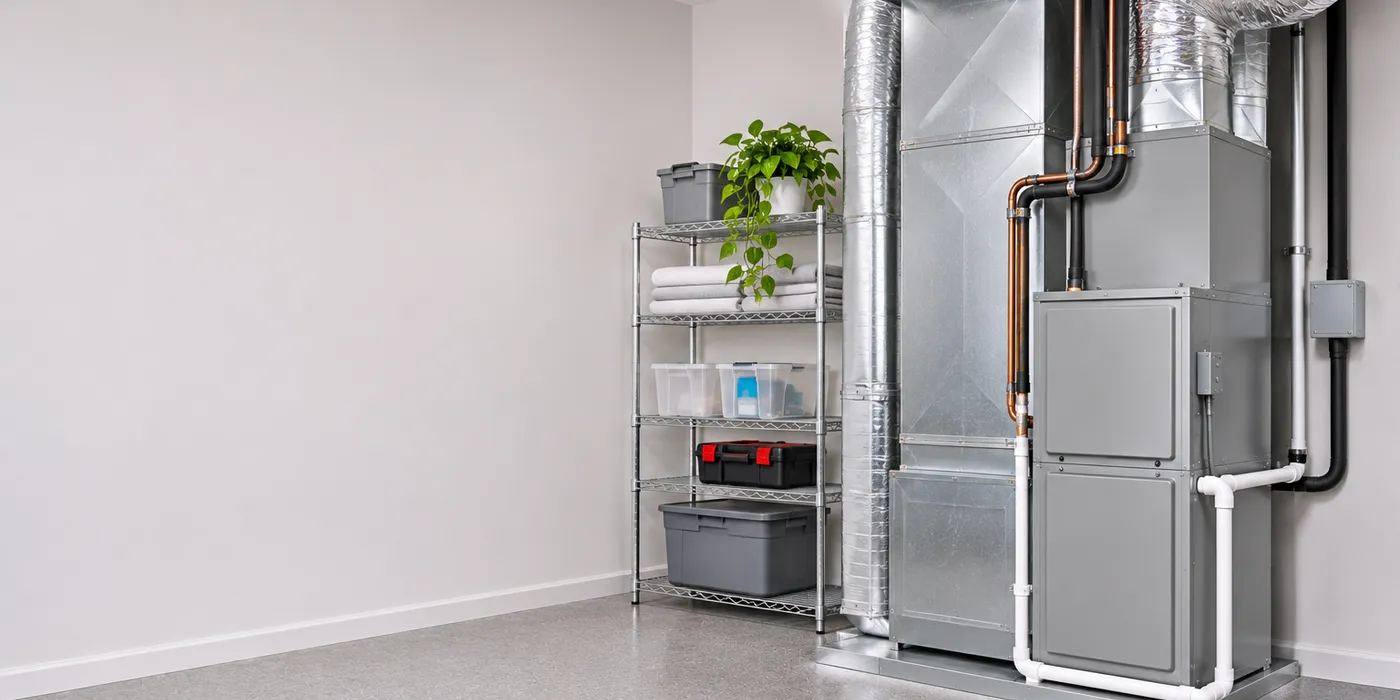
Warm air from a supply vent, a buzzing cabinet, a burnt odor, or a damp patch below the air handler can point to an AC fault. We check the equipment behind those signs instead of assuming the thermostat or outdoor unit is the cause.
We cover Austin, Rollingwood, West Lake Hills, and Lost Creek with AC repair for cooling systems that are not running correctly. We do not recommend waiting on no cooling, electrical odors, loud buzzing, or water near the air handler, because a failing electrical part can damage the compressor and a leak can spread into drywall or flooring.
Buzzing and warm air
We hear reports of warm air blowing from vents even though the thermostat is set lower. We also investigate a buzzing or humming sound from the outdoor condenser, a burnt-plastic odor near the air handler, and water pooling below the indoor cabinet. A system that starts, stops, and starts again without cooling is another distinct symptom we test. These signs can seem alike from inside the house, but we separate the failed part from the symptom because a capacitor, contactor, blower motor, refrigerant leak, and condensate issue have different repair work and costs.
Cooling system callout
We start a callout at the thermostat, then check the disconnect, breaker, filter, air handler, condenser, wiring, capacitor, contactor, blower, and condensate components. We measure voltage, capacitor rating, airflow, temperature split, and refrigerant pressures against the manufacturer specifications. A cooling temperature split often falls around 15 to 20 degrees Fahrenheit, though indoor humidity and outdoor conditions affect that reading.
A standard diagnostic callout commonly takes 30 to 60 minutes. We can often replace a verified capacitor, contactor, fuse, or thermostat component during the same visit if the part is available. A failed compressor, evaporator coil, control board, or special-order motor may need another visit after we locate the correct model-specific part.
Compressor age and access
We base the repair scope on the failed component, its age, and access to the air handler or condenser. An exposed capacitor behind a condenser panel usually involves less labor than a blower motor inside a tight attic cabinet or a control board behind damaged wiring.
We also consider whether the original component is still available for the model. An older compressor, corroded disconnect, seized fastener, or restricted attic opening can add work before we can complete the repair. If a board, motor, or coil must be ordered, we identify that part and its fit before scheduling the remaining work.
Model plate and air handler
Before we dispatch, we can use the model and serial number from the label on the condenser cabinet or air handler. We also need to know which room has warm vents, weak airflow, water, or an odor. Tell us the approximate age of the system and whether the thermostat display, blower, or outdoor fan is running now. Let us know if a breaker has tripped or if access to the attic, closet, or condenser gate is limited. A photo of the model plate can help us match electrical parts and control boards. Call Cool Austin Air Conditioning at (737) 239-8011; repeated short cycling can overheat the compressor if the fault waits.
Looking for something else? Try ac tune-up or the home page.